


Default
Door staff@engadget.com (Dave Meikleham) - 23 Aug 2026
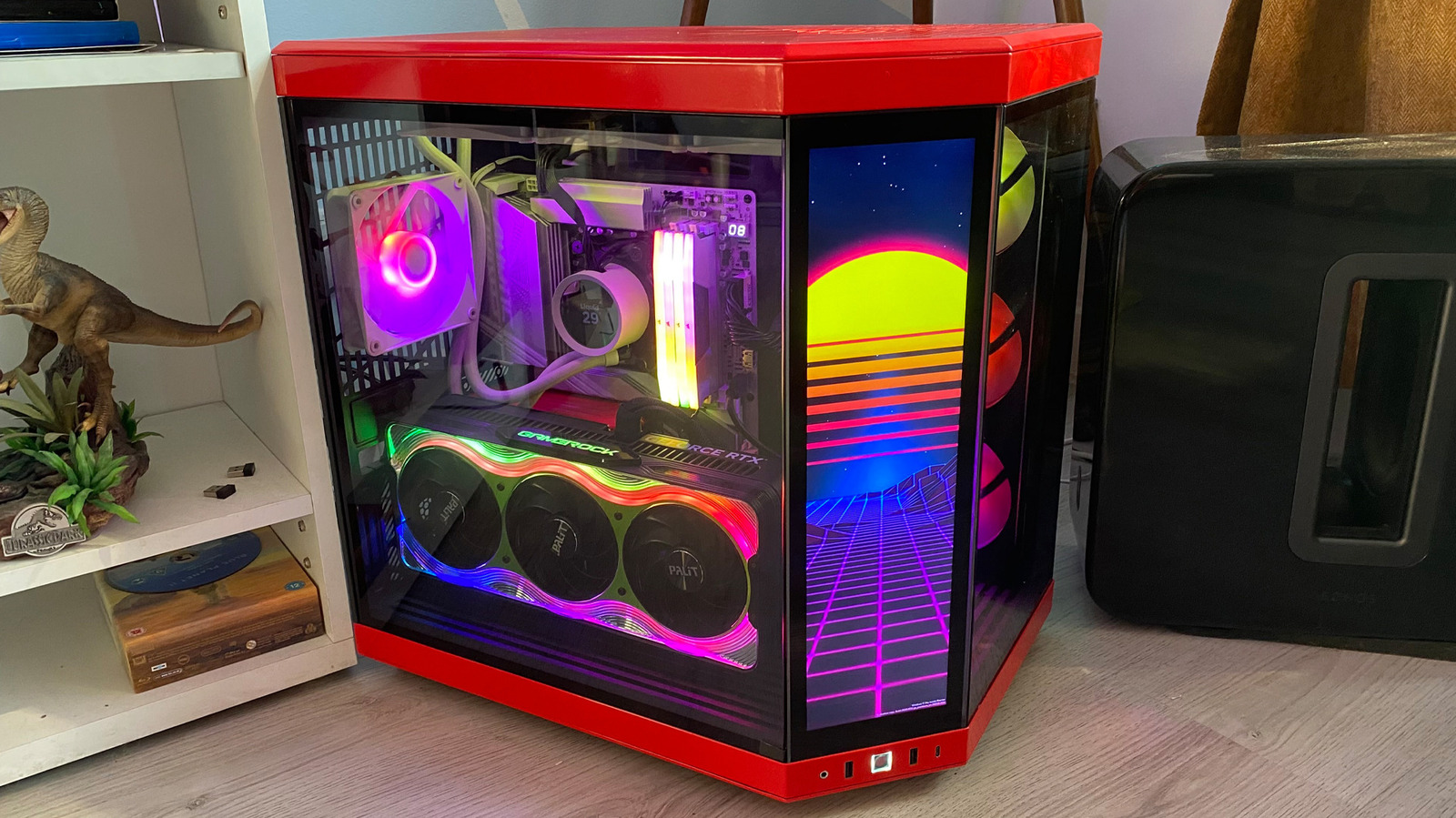
If you own one of the top gaming CPUs, like the AMD Ryzen 7 9800X3D, you should definitely go with a liquid cooler. I've had the aforementioned processor for a couple of years, and I'm glad I decided to pair it with the NZXT Kraken 360. This high-end 360mm AIO cooler offers comprehensive customization via the NZXT CAM app, allowing me to set precise performance targets while also providing an abundance of RGB lighting options.
The added thermal headroom a liquid cooler grants my custom-built PC allows me to run the best and most demanding PC titles at 4K/120FPS without ever having to worry about overheating. Top-tier liquid coolers like the Kraken 360 can also run at whisper-quiet levels, and they look so much sharper than the fan alternative. It's worth noting that cheaper liquid coolers can get a little noisy. In general, models with larger 280 and 360mm radiators can dissipate substantially more heat compared to air coolers, making them the go-to choice for cutting-edge PC builds.
Of course, there are downsides to going with a liquid cooler, though none of them should be considered deal-breakers. High-end models can cost upwards of $200, which is way more expensive than even the best air coolers. AIO models are also trickier to install, as you're not just dealing with the pump; you also need to secure the radiator inside your case. Maintenance is another issue. Whereas air coolers need very little tinkering after being installed, the pump of a liquid cooler will wear over time. There's also the (fairly low) possibility of leakage, which could damage other components inside your PC if it does occur.
Moving onto air coolers, they're the best bet for all but the most hardcore of PC players. Unless you're rocking a rig with an Intel Core i9-14900K and a Nvidia GeForce RTX 5090 (our review), you probably don't need a liquid cooler. If you're a casual Steam user with a mid-range system that houses a relatively modest CPU, an air cooler will work just fine. As they're cheaper, easier to install and have generally longer lifespans than AIO models, they're the ideal processor-cooling solution for folks who aren't obsessed with aesthetics. As long as you don't mind staring at a big heatsink if you have a case with a transparent window, air coolers are the most sensible option for the majority of PC gamers.
The added thermal headroom a liquid cooler grants my custom-built PC allows me to run the best and most demanding PC titles at 4K/120FPS without ever having to worry about overheating. Top-tier liquid coolers like the Kraken 360 can also run at whisper-quiet levels, and they look so much sharper than the fan alternative. It's worth noting that cheaper liquid coolers can get a little noisy. In general, models with larger 280 and 360mm radiators can dissipate substantially more heat compared to air coolers, making them the go-to choice for cutting-edge PC builds.
Of course, there are downsides to going with a liquid cooler, though none of them should be considered deal-breakers. High-end models can cost upwards of $200, which is way more expensive than even the best air coolers. AIO models are also trickier to install, as you're not just dealing with the pump; you also need to secure the radiator inside your case. Maintenance is another issue. Whereas air coolers need very little tinkering after being installed, the pump of a liquid cooler will wear over time. There's also the (fairly low) possibility of leakage, which could damage other components inside your PC if it does occur.
Moving onto air coolers, they're the best bet for all but the most hardcore of PC players. Unless you're rocking a rig with an Intel Core i9-14900K and a Nvidia GeForce RTX 5090 (our review), you probably don't need a liquid cooler. If you're a casual Steam user with a mid-range system that houses a relatively modest CPU, an air cooler will work just fine. As they're cheaper, easier to install and have generally longer lifespans than AIO models, they're the ideal processor-cooling solution for folks who aren't obsessed with aesthetics. As long as you don't mind staring at a big heatsink if you have a case with a transparent window, air coolers are the most sensible option for the majority of PC gamers.