


Default
Door staff@engadget.com (Calvin Wankhede) - 02 Sep 2026
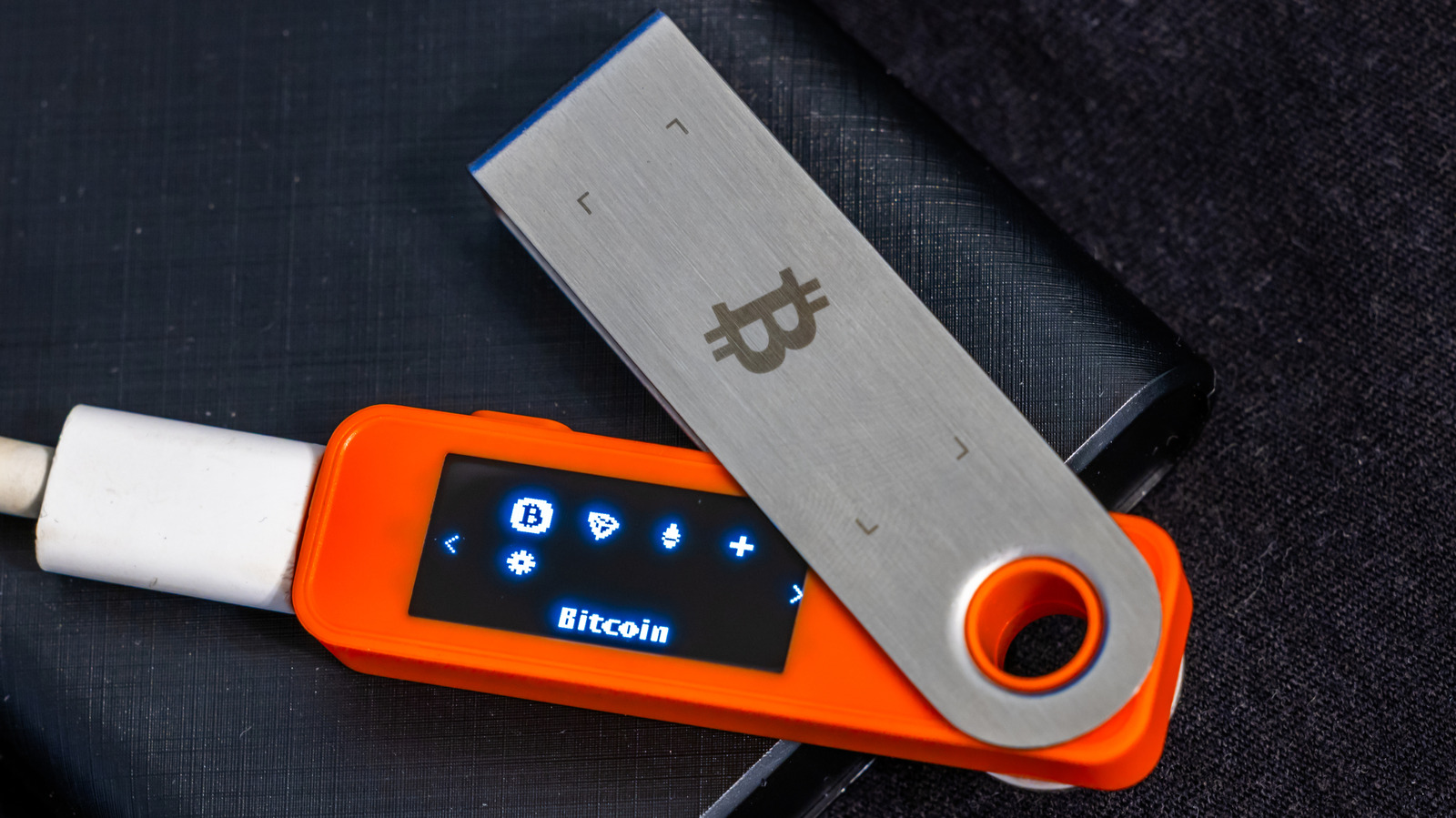
Modern hardware wallets are designed to make their private keys as difficult to extract as possible, using tamper-resistant chips and other security features. These wallets never reveal your private keys to a connected device, so your balance remains safe even if the app you use to initiate transactions on your phone or computer has been compromised.
In practical terms, the hardware wallet's companion app can only send the information needed to sign a transaction, like the amount and destination. These details are displayed on the device's own screen, and the final signing requires you to manually confirm the transaction. If approved, the signed transaction data is sent to the companion app, which then transmits it to the blockchain network.
This separation is what makes a hardware wallet "cold" in nature. Your private key remains isolated from the internet, where malware cannot siphon it behind your back. Even with physical access to the companion app through your phone, an attacker simply cannot initiate transactions. And if the cold wallet itself lands in their hands, these devices typically require a PIN to unlock and will only allow a few incorrect attempts before wiping the storage clean.
This cold storage concept isn't unique to hardware wallets. Your smartphone has a similar tamper-resistant, encrypted chip that requires your PIN to unlock. Apple calls this the Secure Element. However, this chip, which saw expanded usability when Apple opened up NFC to third-party developers in iOS 18.1, is only used to store certain sensitive data like your biometrics and Apple Pay transactions. Hardware wallets introduce another layer of separation by keeping the keys off your phone entirely. However, this doesn't mean they're immune to attacks.
In practical terms, the hardware wallet's companion app can only send the information needed to sign a transaction, like the amount and destination. These details are displayed on the device's own screen, and the final signing requires you to manually confirm the transaction. If approved, the signed transaction data is sent to the companion app, which then transmits it to the blockchain network.
This separation is what makes a hardware wallet "cold" in nature. Your private key remains isolated from the internet, where malware cannot siphon it behind your back. Even with physical access to the companion app through your phone, an attacker simply cannot initiate transactions. And if the cold wallet itself lands in their hands, these devices typically require a PIN to unlock and will only allow a few incorrect attempts before wiping the storage clean.
This cold storage concept isn't unique to hardware wallets. Your smartphone has a similar tamper-resistant, encrypted chip that requires your PIN to unlock. Apple calls this the Secure Element. However, this chip, which saw expanded usability when Apple opened up NFC to third-party developers in iOS 18.1, is only used to store certain sensitive data like your biometrics and Apple Pay transactions. Hardware wallets introduce another layer of separation by keeping the keys off your phone entirely. However, this doesn't mean they're immune to attacks.