


Default
Door staff@engadget.com (Husain Parvez) - 26 Sep 2026
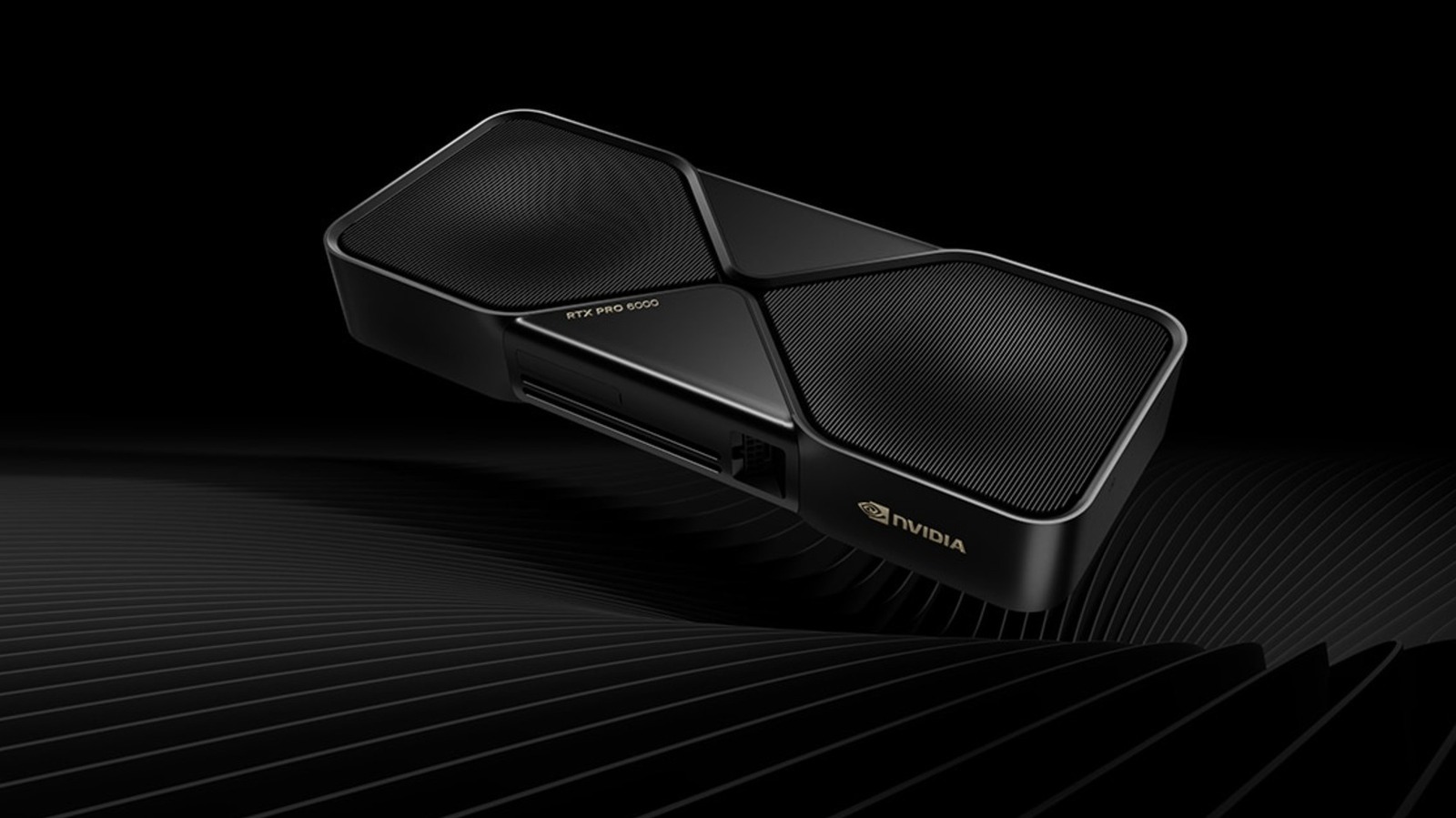
The simplest way to understand the price is to start with memory. The RTX PRO 6000 features a fairly ridiculous 96GB of GDDR7 ECC memory, compared to 32GB of GDDR7 on the RTX 5090. It also has 24,064 CUDA cores and a max board power of 600W.You're not going to suddenly find a game that needs the additional 64GB of RAM, but professional workloads can.
NVIDIA is specifically targeting that huge memory pool at massive 3D and AI projects, larger datasets, VR environments and multi-app workflows. The ability to detect and correct memory errors is also more important when a GPU is doing some serious number crunching or a long professional job than when you're trying to eke out a few more frames in Cyberpunk 2077.
The professional premium is not just in the hardware. RTX PRO cards are supported by NVIDIA's workstation-focused driver ecosystem, with enterprise support and certifications for professional applications, as opposed to the gaming-focused priorities of NVIDIA's Game Ready drivers.
This isn't a new trick with a new name. For over 20 years, NVIDIA sold its professional graphics hardware under the Quadro brand before transitioning to RTX professional branding. RTX PRO sitting next to GeForce RTX might now require a second look at the box, but the five-figure price tag helps to clear up the confusion pretty quickly.
AMD's Radeon PRO line targets similar workstation users, but the 96GB RTX PRO 6000 sits at the extreme end of the market.
NVIDIA is specifically targeting that huge memory pool at massive 3D and AI projects, larger datasets, VR environments and multi-app workflows. The ability to detect and correct memory errors is also more important when a GPU is doing some serious number crunching or a long professional job than when you're trying to eke out a few more frames in Cyberpunk 2077.
The professional premium is not just in the hardware. RTX PRO cards are supported by NVIDIA's workstation-focused driver ecosystem, with enterprise support and certifications for professional applications, as opposed to the gaming-focused priorities of NVIDIA's Game Ready drivers.
This isn't a new trick with a new name. For over 20 years, NVIDIA sold its professional graphics hardware under the Quadro brand before transitioning to RTX professional branding. RTX PRO sitting next to GeForce RTX might now require a second look at the box, but the five-figure price tag helps to clear up the confusion pretty quickly.
AMD's Radeon PRO line targets similar workstation users, but the 96GB RTX PRO 6000 sits at the extreme end of the market.