


Default
Door staff@engadget.com (Christine Persaud) - 05 Oct 2026
Having a second monitor allows for better organization, both on your desk and the screens. I sometimes print reference documents to view them separately. A second monitor would eliminate the need to do this, saving paper (and clutter). By not relying on a phone or tablet as a second screen, you avoid the risk of getting caught up in mobile distractions.
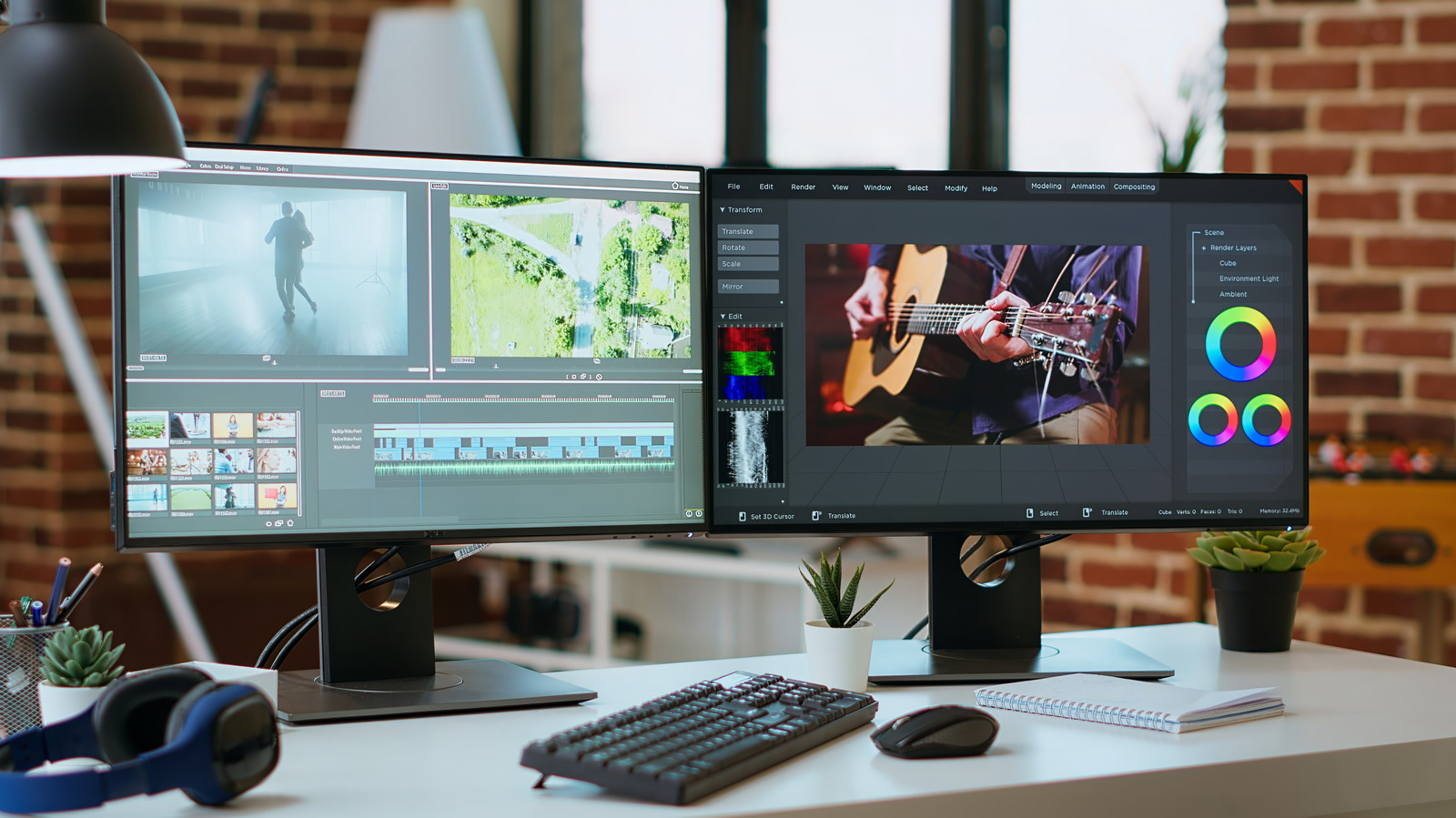
It's worth noting that you don't necessarily need a high-end second monitor. Specs like high refresh rate are more important for the display you're looking at most of the time. For a second one you use only when necessary, a more affordable monitor is fine. Ideally, you should find a second monitor that is the same size as your first for a seamless look. It should also have the same pixel density to ensure matching text and image scaling. Finally, get mounting hardware to situate them at the same level.
Be aware of how far you should sit from your monitor, as well as the proper eye height, and set them up accordingly. You'll need to find a tidy way to connect both monitors to your computer, which requires two video outputs and the appropriate cables. Then, adjust display settings like brightness and contrast as needed.
If you're using a laptop, you might need to configure it to stay running when you close the lid if you aren't using it as one of your displays. Most modern MacBooks can support at least two monitors, for instance.
A second monitor might not be something you use all the time. But having it there when you need it can be, as my friend noted, a "complete game-changer." Being able to look at one program while working in another one saves you from constantly switching app windows and lets you keep an eye on what's most important.
It's worth noting that you don't necessarily need a high-end second monitor. Specs like high refresh rate are more important for the display you're looking at most of the time. For a second one you use only when necessary, a more affordable monitor is fine. Ideally, you should find a second monitor that is the same size as your first for a seamless look. It should also have the same pixel density to ensure matching text and image scaling. Finally, get mounting hardware to situate them at the same level.
Be aware of how far you should sit from your monitor, as well as the proper eye height, and set them up accordingly. You'll need to find a tidy way to connect both monitors to your computer, which requires two video outputs and the appropriate cables. Then, adjust display settings like brightness and contrast as needed.
If you're using a laptop, you might need to configure it to stay running when you close the lid if you aren't using it as one of your displays. Most modern MacBooks can support at least two monitors, for instance.
A second monitor might not be something you use all the time. But having it there when you need it can be, as my friend noted, a "complete game-changer." Being able to look at one program while working in another one saves you from constantly switching app windows and lets you keep an eye on what's most important.