


Default
Door staff@engadget.com (Filipe Espósito) - 13 Oct 2026
The main difference with Googlebooks is that they run an Android-based operating system instead of ChromeOS. While ChromeOS can run Android apps, it emulates them, leading to occasional poor performance and bugs. In contrast, Googlebooks can run most Android apps natively at full performance, taking better advantage of the hardware — although some apps might run poorly on Intel-based laptops. They have access to the full Google Play Store.
Speaking of hardware, Google is pushing for better specs, with laptops starting at 16GB of RAM and 256GB of storage. The first Googlebooks deliver around 14 hours of battery life, which is much longer than most Chromebooks.
And because they run an Android-based system, they also integrate much better with Android phones. You can open your phone apps on your laptop and access your files without having to transfer them. Many settings can also be synced between the two, such as your passwords and notifications. The idea is similar to what Apple offers when you use both a Mac and an iPhone. That is, of course, if you have a phone running Android 17 or later — don't expect to use all these features with an iPhone or ancient Android device.
It's also worth noting that, similar to Chromebooks, the Googlebook isn't a single laptop. Instead, Google has been working with brands such as Acer, ASUS, Dell, HP and Lenovo to deliver Googlebook-certified laptops. They all must follow certain guidelines, such as using carbon-fiber chassis instead of cheap plastic, high-end processors (whether Intel or Snapdragon) and high-resolution screens. It's no surprise that they all come with Gemini built-in at the system level.
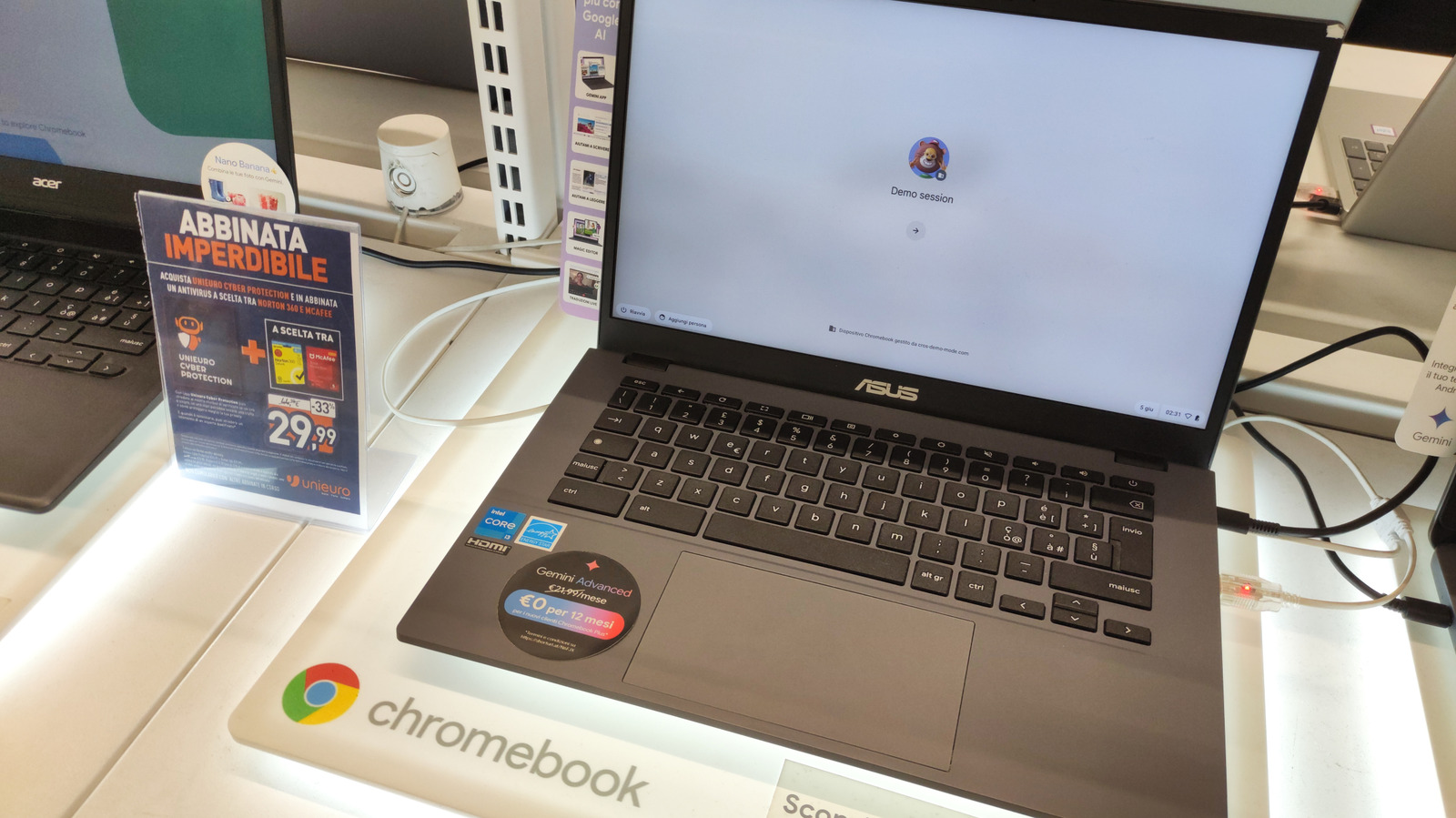
So in theory, Googlebooks are an upgrade over Chromebooks in almost every way. Why would anyone choose a Chromebook over a Googlebook, then?
Speaking of hardware, Google is pushing for better specs, with laptops starting at 16GB of RAM and 256GB of storage. The first Googlebooks deliver around 14 hours of battery life, which is much longer than most Chromebooks.
And because they run an Android-based system, they also integrate much better with Android phones. You can open your phone apps on your laptop and access your files without having to transfer them. Many settings can also be synced between the two, such as your passwords and notifications. The idea is similar to what Apple offers when you use both a Mac and an iPhone. That is, of course, if you have a phone running Android 17 or later — don't expect to use all these features with an iPhone or ancient Android device.
It's also worth noting that, similar to Chromebooks, the Googlebook isn't a single laptop. Instead, Google has been working with brands such as Acer, ASUS, Dell, HP and Lenovo to deliver Googlebook-certified laptops. They all must follow certain guidelines, such as using carbon-fiber chassis instead of cheap plastic, high-end processors (whether Intel or Snapdragon) and high-resolution screens. It's no surprise that they all come with Gemini built-in at the system level.
So in theory, Googlebooks are an upgrade over Chromebooks in almost every way. Why would anyone choose a Chromebook over a Googlebook, then?