


Default
Door staff@engadget.com (Luke James) - 27 Oct 2026
The FCC added "routers produced in a foreign country" to its Covered List on March 23. That addition was triggered by a national security determination it received three days earlier from an interagency body convened by the White House. Equipment that makes it onto the Covered List can't get the FCC authorization a wireless device needs before it can be sold in the States. Law firm Wiley's interpretation is that "produced" covers any major stage of making a router, including design and development, regardless of the nationality of the company.
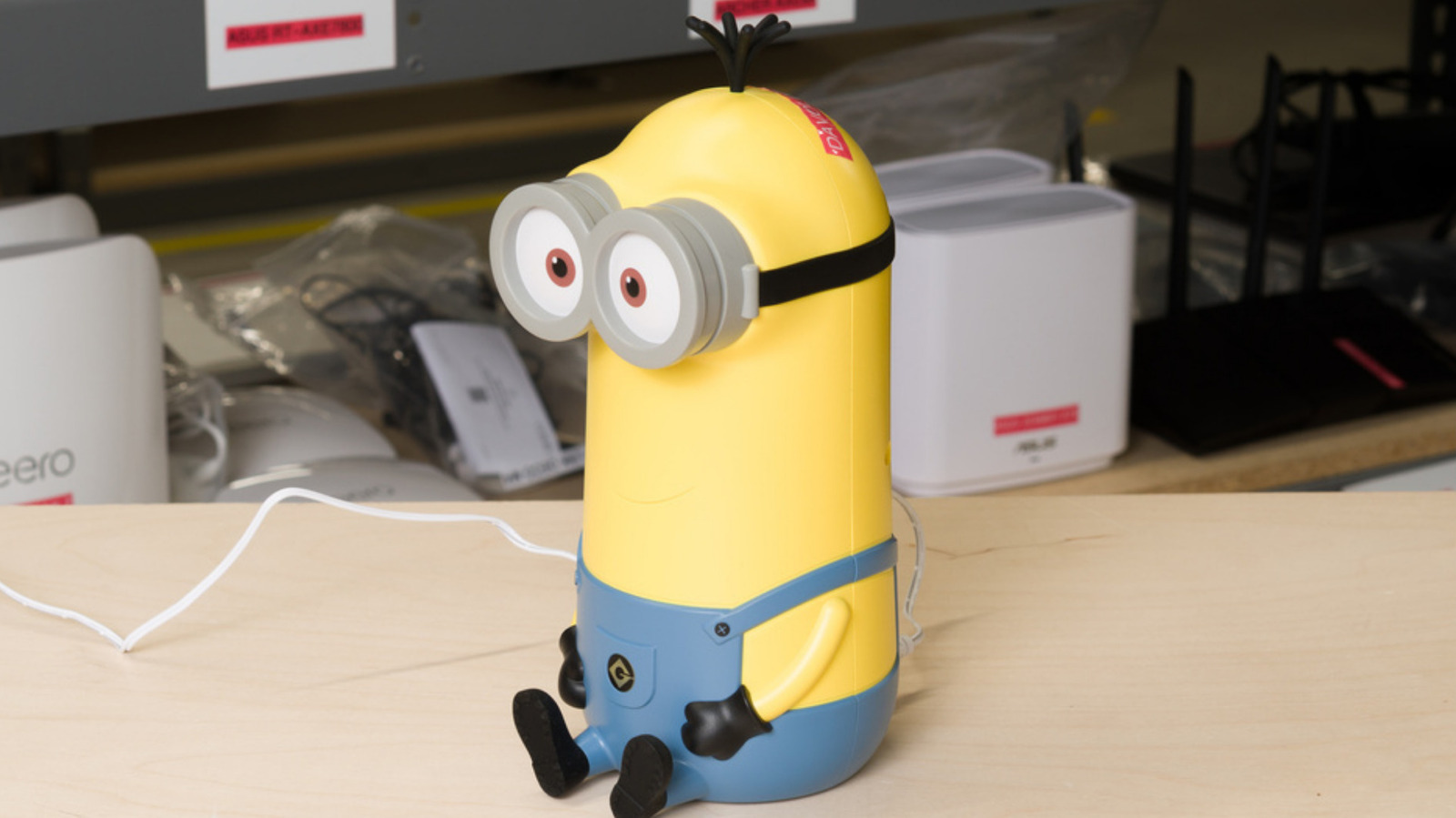
Routers authorized before the March listing can still be imported, sold and used, and the FCC authorized Kevin and Bob between November 2023 and February 2024. Listing also bars changes to authorized devices, software updates included. The FCC has waived that for things like security patches and compatibility fixes until at least January 1, 2029, which is why banned drones and routers in the US will still get critical updates until 2029, and its engineering office has said it will recommend writing the waiver into the rules. If that doesn't happen, and the date doesn't change, Davolink will have to stop patching Kevin and Bob after 2028.
Exemptions, which the FCC calls Conditional Approvals, are granted by the Department of Defense or the Department of Homeland Security and last for up to 18 months. Applicants must disclose where every component and the firmware come from, justify building abroad and commit to a dated plan for US manufacturing, including spending figures and quarterly progress reports. Netgear was approved on April 14, Eero on April 22 and ASUS on September 9. Davolink, which has reported operating losses since 2022, hasn't publicly said whether it has applied for a Conditional Approval.