


Default
Door staff@engadget.com (Jonny Evans) - 01 Nov 2026
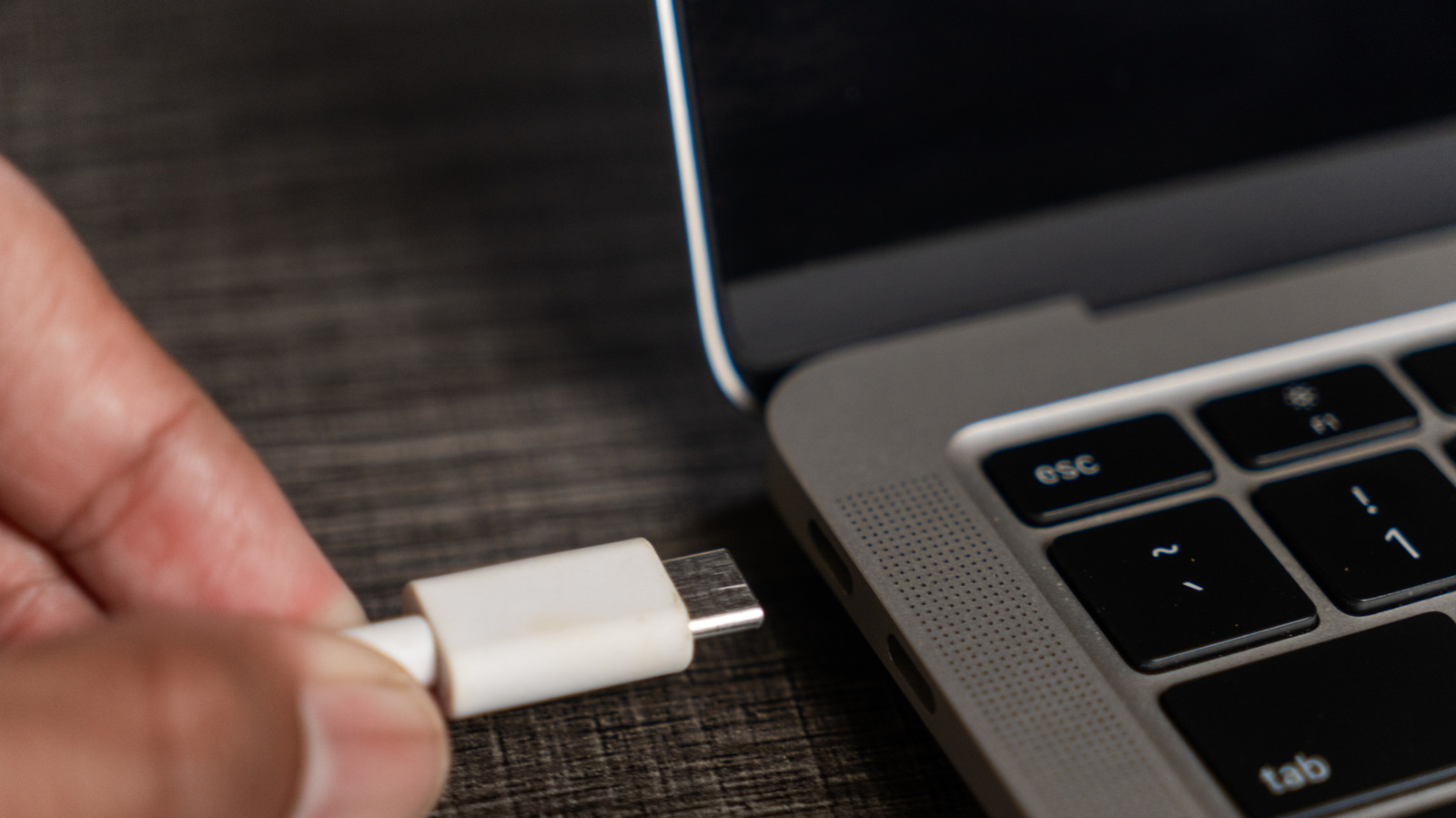
The USB-C standard does not specify water resistance, which means that while ordinary cables may survive a splash, nothing is guaranteed and water exposure comes with some risks. USB-C is versatile, ubiquitous and complex. Take a connector apart, and you'll find it contains 24 contacts, which may connect to data or power wires inside the cable. (That's 20 more pins than found in USB-A, which helps account for the faster data transfers.) If water gets inside the connector, it can cause a short circuit that may damage your equipment, while long-term moisture exposure can corrode contacts. There's also the risk that short-circuited wet cables can overheat, potentially causing a fire. You should never plug a wet cable — even a waterproof one — into a device.
USB cable protection is usually achieved with a silicone rubber seal, gasket, or locking collar around the connector to protect against water ingress. Some rely on threaded bayonet couplings, with a rubber seal that compresses as the collar is tightened, creating a watertight link. Cables designed for extended water exposure may use a tough synthetic rubber, such as neoprene. An even tougher material called fluoroelastomer (FKM) is frequently used where chemical or solvent resistance is required.
USB cable protection is usually achieved with a silicone rubber seal, gasket, or locking collar around the connector to protect against water ingress. Some rely on threaded bayonet couplings, with a rubber seal that compresses as the collar is tightened, creating a watertight link. Cables designed for extended water exposure may use a tough synthetic rubber, such as neoprene. An even tougher material called fluoroelastomer (FKM) is frequently used where chemical or solvent resistance is required.