


Default
Door staff@engadget.com (Max Miller) - 01 Nov 2026
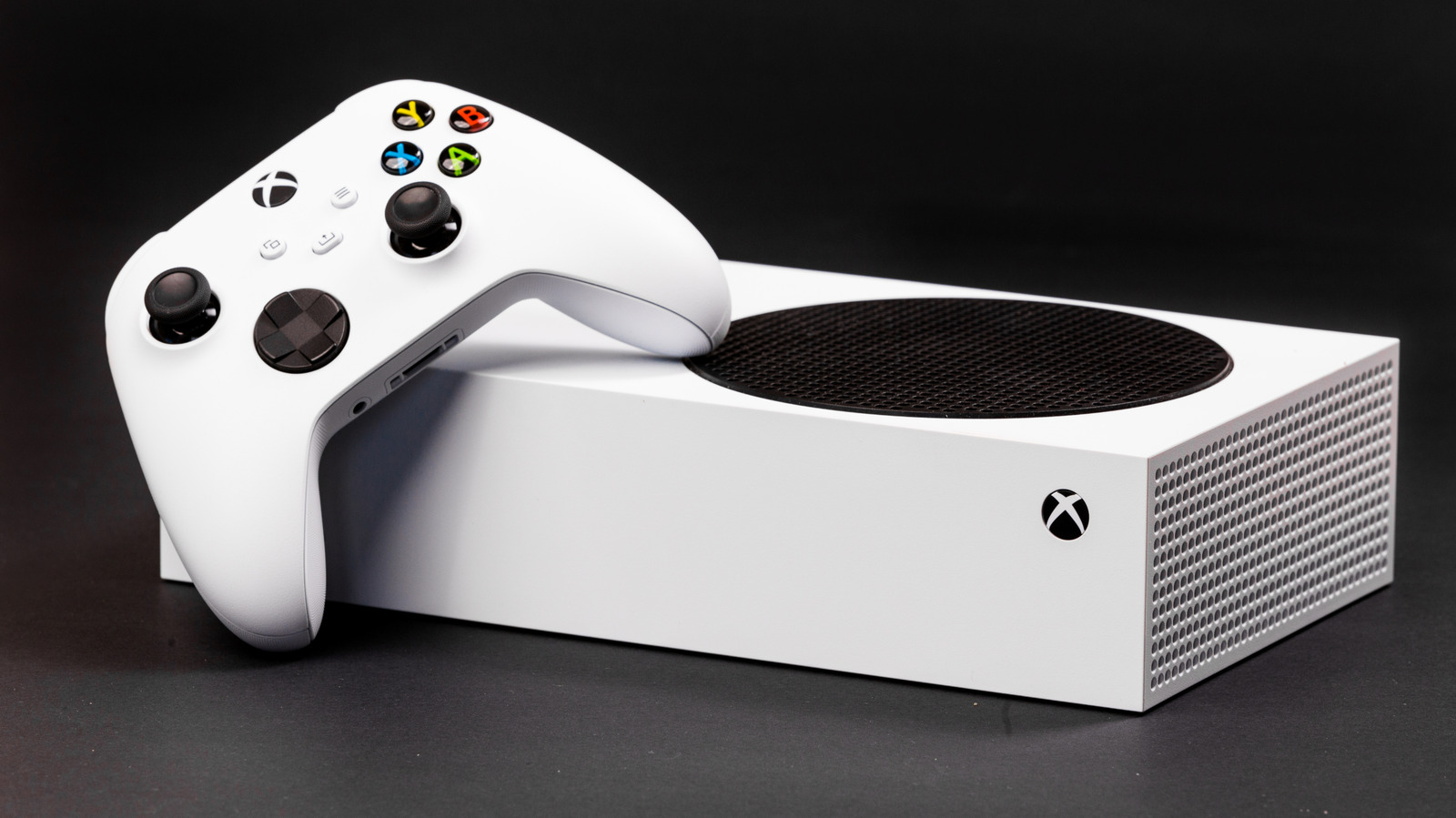
The Xbox Series S has an AMD Zen 2-based CPU with 8 physical cores clocked at 3.6GHz, which ramps down to 3.4GHz in multi-threaded tasks. Its RDNA2 GPU has 12 compute units and runs at 1,565MHz. Memory is unified across the system, so the entire machine shares 10GB of GDDR6 RAM on a 128-bit-wide bus with 2.4GB/s of raw throughput. In plain English, it's an entry-level configuration. However, like other consoles, the Series S is tuned for gaming performance at all costs and punches above its weight class in real-world use.
To keep things as even as possible, we'll go with an AMD CPU and GPU for our PC. The first decision is between AM4 and AM5. The newer socket is more future-proof, but we'll go with AM4 to save money on the motherboard and RAM while still getting a better CPU than the Zen 2 component found in the Series S. The budget pick is a Ryzen 5 5600, available for around $160 on Amazon at the time of writing. The flex pick is the Ryzen 5 5600X3D, which has better gaming performance thanks to its larger L3 cache. It often goes on sale for around $175 and is a good deal at that price.
AM4 lets us run DDR4 RAM instead of DDR5, which is a huge relief for our budget. Building on the B550M chipset will set us back $80-$90, though sales do occur regularly. To ensure we get VRM heatsinks and no PCIe-related bottlenecks, we'll go with the ASRock B550M Phantom Gaming 4. It may need a BIOS update to support the Ryzen 5 5600, but should work well afterward.
While it's easy to assume we'll only need a single 8GB stick of RAM, alongside our chosen GPU's VRAM, to beat out the Xbox Series S' 10GB of unified system memory, Ryzen performs better with dual-channel memory. We'll use two 4GB sticks instead. Lenovo's 2x4GB DDR4 kit runs at a respectable 3,200MT/s and costs just $40. It's admittedly not a high-performance kit, but it should still help our build outperform the Series S without breaking the bank.