


Default
Door staff@engadget.com (Vincent Arogya) - 14 Nov 2026
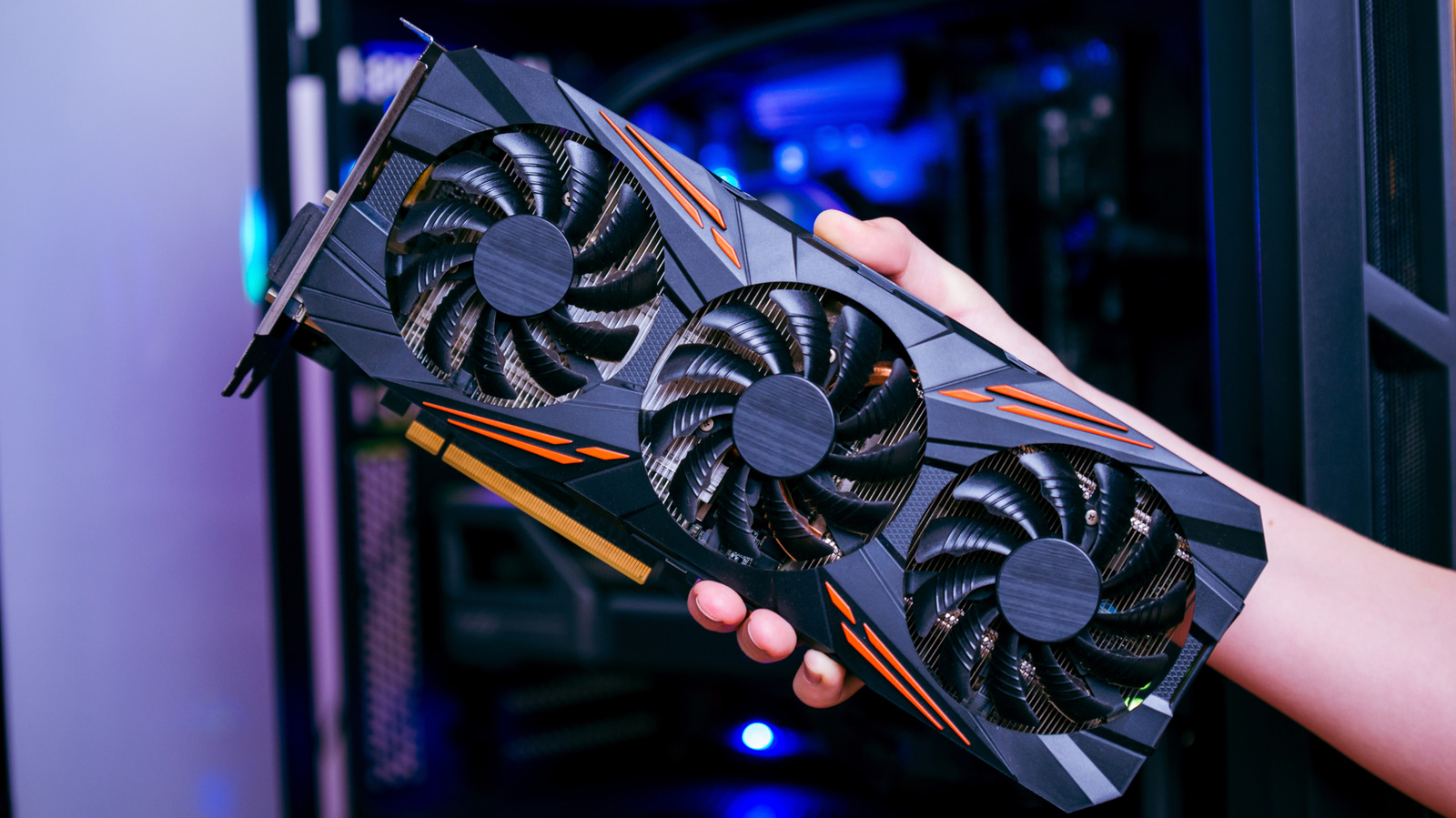
If you increasingly find your workloads shifting towards high-resolution video and photo editing or high-fidelity gaming, buying a dedicated graphics card over an iGPU makes the most sense. Not only is a discrete graphics card considerably more powerful than an iGPU, its dedicated VRAM provides a separate and much higher bandwidth memory pool that graphics workloads can take advantage of, alleviating memory-related bottlenecks that iGPUs are commonly susceptible to.
Unlike a dedicated graphics cards, an iGPU's performance depends on more than just its clock speeds or core counts. Since iGPUs share system memory, RAM speeds, configuration and capacity can all contribute to memory-related bottlenecks. For instance, TechSpot found that switching from DDR5-6400 to DDR5-5200 saw significant performance drops on the Ryzen 7 8700G, across several games.
On the bright side, owning a desktop computer means the freedom to upgrade your machine based on your needs. Just because you built a computer with an iGPU, it doesn't mean you're stuck with it forever. If you find your computing demands shifting from light workloads to running demanding games, loading heavy LLMs, rendering 3D graphics or high-resolution video editing, popping in a powerful graphics card into you PC can give it the additional horsepower needed to meet those demands. However, don't forget to verify your power supply capacity, PCIe compatibility and case clearance to accommodate a discrete graphics card into your build.