


Default
Door staff@engadget.com (Roger Fingas) - 25 Oct 2026
All mesh systems require what's called a backhaul connection. This is the pipeline that shuffles data between routers, rather than directly to your devices. You don't have to do anything to set one up — by default, mesh products automatically establish a wireless backhaul.
There are a couple of potential problems with this, the first being an echo of what you'd deal with in a standalone router: diminished speed over distance. As signal falls, so do bitrates. The gap between routers can reduce performance by hundreds of megabits, and devices connecting to a mesh are automatically limited by the bandwidth of the closest node. The results should still be better than those of a standalone router, yet they remain less than optimal.
Worse, some cheaper mesh systems merge their wireless backhauls with the same bands your devices rely on, forcing both halves of the equation to suffer. This is why you should never buy a dual-band mesh product. For reference, anything with a dedicated backhaul link will at least be tri-band, and some more advanced options are quad-band.
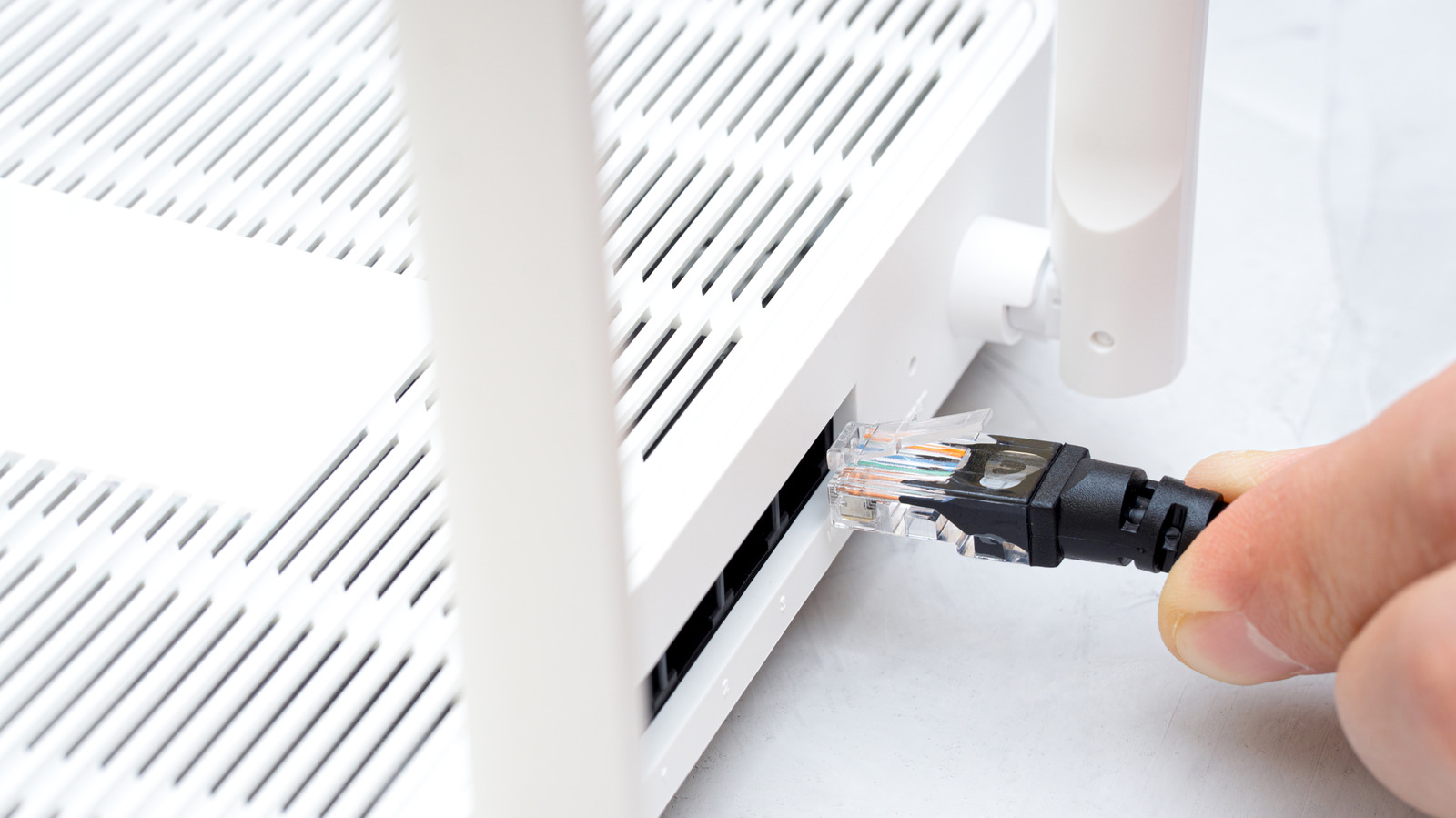
Switching to an Ethernet backhaul is an instant fix for both of these concerns. Suddenly, it doesn't matter whether a product is dual-band. And in the distances of the average home, Ethernet won't lose you a meaningful amount of speed. It will probably deliver at least 1 Gbps, if not more, when you use a Cat 6 cable. Wi-Fi devices will likely only see a portion of this bandwidth, but at least they're not being kneecapped before they even connect.