


Default
Door staff@engadget.com (Roger Fingas) - 09 Nov 2026
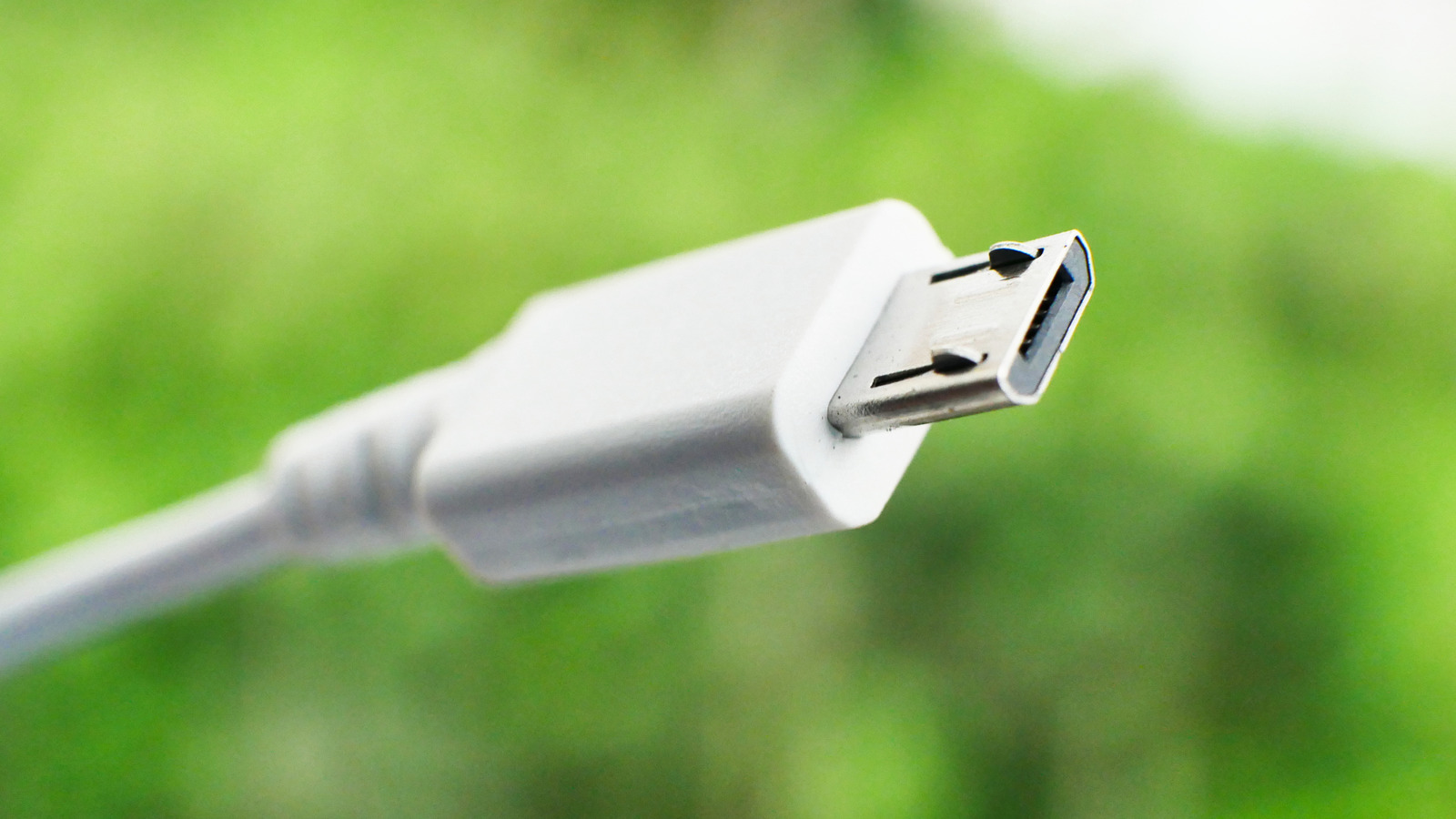
Broadly, the presence of micro USB signifies a product is either old or cutting corners. The format dates back to 2007 — the same year the original iPhone shipped and an eternity in technology. USB-C does presumably raise manufacturing costs, but only relatively. That standard rolled out in 2014, which was well over a decade ago. It's become so common that even cheap USB fans have ditched the micro USB form factor.
More importantly, micro USB is limited to outdated data and power specs. Data speeds are liable to top out at USB 2.0's 480 Mbps, whereas USB 3.0 enables 5 Gbps and USB 4 starts at 40 Gbps. Power might be the true killer, though. Micro USB wall chargers are unlikely to deliver any more than 7.5W, which is practically glacial when some laptops and Android phones use USB-C to top 100W with modern fast charging standards. At the extreme, devices that fully exploit the USB PD (Power Delivery) standard can hit 240W.
The compatibility factor we mentioned impacts convenience. Because micro USB is no longer popular, you'll need to keep different cables around than the ones you use to charge everything else. That takes more space in your bag when packing and occupies outlet slots that could be used for additional USB-C cables. Adapters can help, but they're clunky. There's also the practical matter of micro USB not being reversible like USB-C, so you'll have to fumble around to find the right orientation every so often. It's far easier to accidentally bend the pins in the older standard.
As time goes on, it will be increasingly hard to find any new micro USB products, similarly to how you can't waltz into a local big-box retailer and assume there will be composite cables for an old VCR. You're certainly not going to find micro USB ports on any new smartphone or computer.